Genomics and Mental Health: What It Is and Why It Could Change Future Care
Genomics is a word many people are starting to hear more often, especially as conversations around personalised and precision-based healthcare continue to grow. But understanding what genomics actually means, and why it matters for mental health, is still new territory for most of us.
What’s becoming increasingly clear in research is that our biology plays a far greater role in mental health than we once believed. Genetics, brain circuitry, inflammatory pathways and stress responses all interact in complex ways to shape how we feel, think and cope.
At Brain & Mind Hub, we see genomics as an important part of the future of mental healthcare. While it’s not yet part of our diagnostic process, it’s a direction we’re preparing for carefully and thoughtfully as we continue developing our precision-based, whole-body approach to care.
Understanding Genomics and Why It Matters
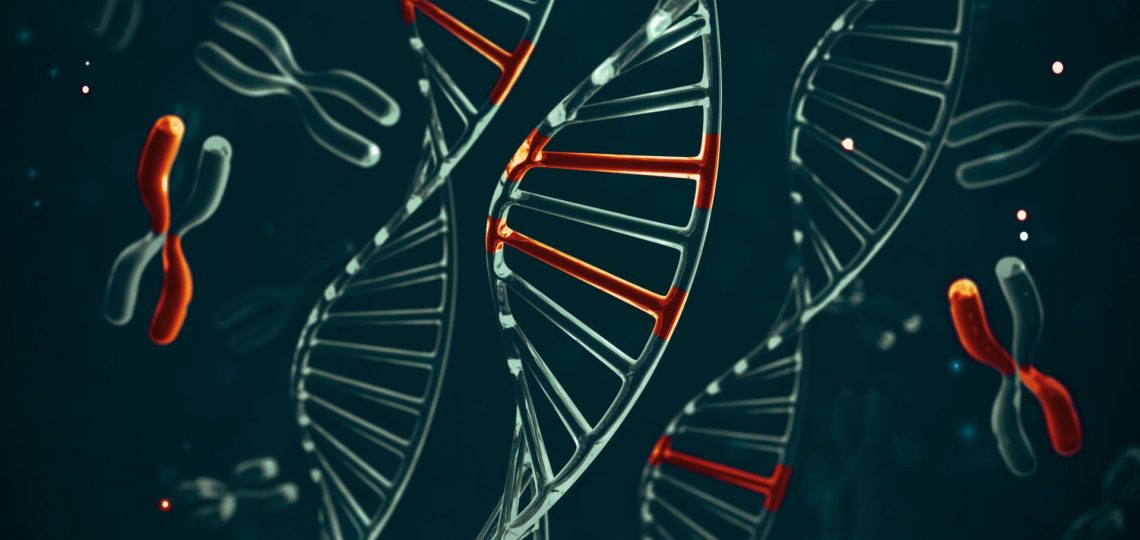
Genomics looks at your complete set of DNA: the biological code that influences the way your brain and body function. As Dr Nathan Wellington explains, it’s essentially “our ones and zeros… the code of our life.”
Your genetic makeup can influence:
- how your brain processes stress
- how neurotransmitters regulate mood
- how medications are metabolised
- inflammatory and hormonal pathways
- emotional sensitivity and resilience
- neural plasticity and recovery
Genes aren’t destiny. But they can offer important clues about why some people experience certain mental-health challenges — and why some treatments work better for some individuals than others.
Beyond Genetics: A Whole-Body Perspective
Genes create proteins. Proteins build structures. Those structures shape how the brain functions.
As Nathan notes, “The proteins create the structures in our body… our brains, the neurons that we have.”
This whole-body view matters. Mental health does not exist separately from physical health, it is deeply connected to it. When we combine genetics with brain imaging, EEG data, neurotransmitter patterns and lived experience, mental-health symptoms become easier to understand through a biological lens.
This is at the heart of precision-based care: understanding why someone feels the way they do, not just treating the surface-level symptoms.
Why Genomics Is Becoming Important Now
Advances in science have made it possible to understand mental health in ways that weren’t available even a decade ago. High-throughput sequencing, advanced neuroimaging, EEG brain-mapping and AI analysis are giving clinicians a clearer picture than ever before.
As Nathan explains, we now have tools “to analyse every part of our body… not just genomics, but imaging and neurotransmitters.”
This growing integration of biology and brain science means mental-health support is gradually shifting toward:
- more personalised pathways
- less trial-and-error
- earlier, more accurate insights
- better targeted treatments
- more compassionate, evidence-led care
It represents a meaningful step forward for people who have waited a long time for answers that make sense.
What Genomics Could Mean for Mental-Health Care in the Future
Once genomics becomes part of mainstream mental-health care, it could help clinicians:
- reduce guesswork around treatment
- identify likely responses and side-effect risks
- understand recurring symptoms in a deeper way
- build more accurate, personalised care plans
- support faster, more stable recovery
Nathan describes it as a future where we can “take away the trial and error” and help people “get better sooner.”
That’s not just scientific progress, it’s a more humane model of care.
Where Brain & Mind Hub Is Heading
We’re preparing to introduce genomics into our diagnostic framework in the near future as part of our commitment to precision-based mental healthcare. This approach looks at the whole person — biology, brain function, psychology and lived experience to build clearer, more personalised pathways of support. Genomics will join the integrated model we’re continuing to develop, which brings together EEG brain-mapping, psychology, psychiatry, lifestyle medicine and neuroscience-informed treatments, creating a truly whole-body approach to care.
This is the future of mental healthcare, whole-body, personalised and grounded in understanding the biology behind someone’s experience.
As Nathan shared: “I think that’s exciting.”
And we genuinely do.
Not just for the science, but for the people who deserve answers that feel clear, compassionate and tailored to them.
Dr Nathan Wellington: On how genomics is changing the future of mental healthcare.
Written by Dr Megan Dutton
As a clinician and researcher in the field of neuroscience and mental health, I’ve seen how a precise, multidisciplinary approach to ADHD can transform lives. At Brain and Mind Hub, we’ve developed a neuroscience-informed model that integrates clinical accuracy with holistic care—ensuring individuals with ADHD receive not only a correct diagnosis but also the tools to thrive.