
Brain-Derived Neurotrophic Factor
Gene/Protein of the Month
What is BDNF?
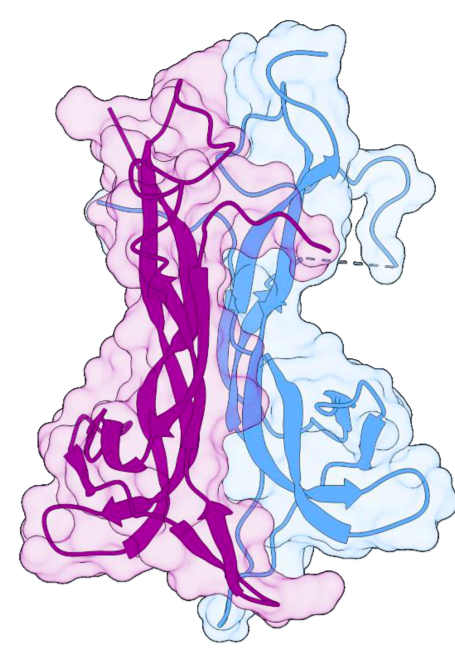
Brain-Derived Neurotrophic Factor (BDNF) is a neurotrophin — a protein critical for neuronal growth, survival, and synaptic plasticity.
Structurally, BDNF is a 27 kDa protein composed of 247 amino acids, folded into a characteristic “cysteine knot” structure that stabilises its activity.
Think of BDNF as a key player in keeping your brain adaptable, resilient, and capable of learning.
The Genetics Behind BDNF
The BDNF gene, located on chromosome 11p14.1, spans more than 70 kilobases and includes multiple promoters, allowing tissue-specific and activity-dependent regulation.
This means BDNF can be turned on or off in different parts of the body depending on what’s needed — like a smart switch for brain health.
Val66Met: A Small Change with Big Impact
One well-studied variation, the Val66Met polymorphism, alters the secretion of BDNF, affecting stress resilience and therapeutic response.
This genetic variation can influence how well someone copes with stress or responds to treatments like antidepressants or therapy.
BDNF in Mental Health: Why It Matters
Reduced BDNF expression and signalling are consistently observed in:
- Depression
- PTSD
- Bipolar disorder
- Schizophrenia
This underscores its cross-diagnostic importance.
BDNF isn’t just relevant to one condition — it’s a common thread across many mental health challenges.
A Target for Precision Psychiatry
Because of its central role in synaptic plasticity and stress adaptation, BDNF is considered a key biomarker and therapeutic target in precision psychiatry.
In the future, treatments may be tailored based on your BDNF levels — helping personalise care for better outcomes.
Written by Renee Curran
If you or someone you care about lives with ADHD, you’ve probably noticed how unpredictable things can feel, focus comes and goes, energy dips, moods swing. What’s often overlooked is how much nutrition can influence these patterns.
