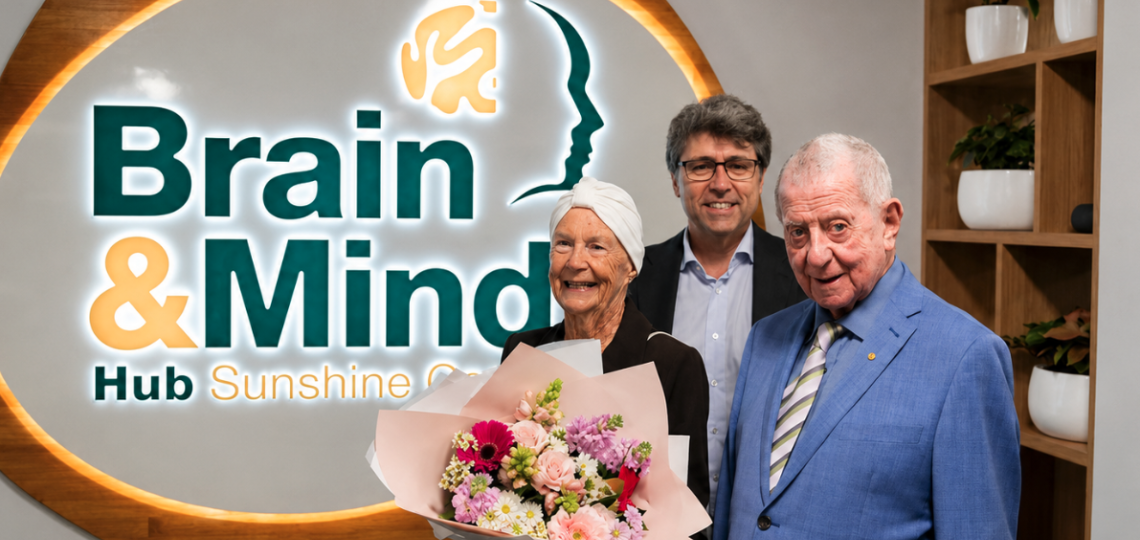
Thompson Brain & Mind Healthcare honor the extraordinary lives and legacy of Roy and Nola Thompson.
Thomspon Brain and Mind Healthcare honor the extraordinary lives and legacy of Roy and Nola Thompson. Roy and Nola’s generosity has helped make possible something truly special: a not-for-profit mental health service where a person’s financial circumstances do not determine the quality of care they can receive.
Their support has given people who had struggled to find answers elsewhere access to innovative treatment, world-leading research and clinical trials, while helping TBMH develop the next generation of mental health services and technologies. Most importantly, Roy and Nola’s giving has changed lives.
It has given people hope, supported families, helped people return to work and their communities and created opportunities for recovery where there may previously have been none. We are deeply saddened by their passing and enormously grateful for what they made possible.
Roy and Nola’s legacy will live on through the people they have helped and through TBMH’s continued commitment to transforming mental healthcare.
Thompson Brain & Mind Healthcare (TBMH) mourns the passing of Roy and Nola Thompson, whose extraordinary generosity has helped create a new model for mental healthcare on the Sunshine Coast and beyond.
For the team at TBMH, Roy and Nola’s legacy is deeply personal. Their philanthropy has made possible something rare: a not-for-profit mental health service where a person’s capacity to pay does not determine the quality of care they receive.
Through Roy and Nola’s support, people who have struggled to find answers elsewhere can access multidisciplinary care, advanced brain imaging, precision diagnostics, and innovative treatment approaches, while TBMH connects patients with global-leading research and clinical trials.
Their giving has also enabled the development of new services, technologies and products designed to help patients receive the right care at the right time, while building a pathway between clinical care, research, and the next generation of mental health treatments.
“Roy and Nola understood that philanthropy could do more than fund a service. It could change what is possible,” said TBMH CEO Jim Lagopoulos.
“Roy and Nola’s generosity gives people who may have exhausted every other avenue another chance. It helps families stay together, gives people hope, supports recovery and creates opportunities for people to return to work and participate in their communities.
“Just as importantly, Roy and Nola invested in the future. They have helped create an environment where research can be translated into treatment and where the discoveries of tomorrow can directly improve the lives of patients.”
Roy’s philosophy was simple. “The Sunshine Coast has been very good to my family and I think it is important we give back.”
Peter Thompson, Roy and Nola’s son and a TBMH Board member, said his parents believed deeply in leaving their community stronger than they found it.
“Dad never saw giving as an obligation or something to be celebrated. He saw it as an opportunity to make life better for other people. Mum shared that belief completely. Their greatest satisfaction was knowing that what they gave could keep making a difference long after they were gone.”
TBMH extends its deepest sympathy to the Thompson family and will continue to honour Roy and Nola through the work they made possible: transforming mental healthcare, advancing research, and ensuring that people who need help can access it, regardless of their circumstances.
Roy and Nola’s legacy will live not only in the buildings and services they helped create, but in every person given another opportunity to recover, reconnect and live a meaningful life.

Clinical Pharmacist
About Thompson Brain and Mind Healthcare:
Thompson Brain & Mind Healthcare (TBMH) is a leading provider of neuroscience-driven mental healthcare on the Sunshine Coast. Our multidisciplinary team integrates medicine, neuroscience, and clinical research to deliver precision, person-centred care. At the forefront of translational neuroscience, TBMH rapidly applies research insights to clinical practice through our dedicated clinical trials unit, advancing innovative treatments in psychiatry and neuromodulation in partnership with leading institutions.
- Join an innovative neuroscience-based health service at the forefront of innovation & research
- Part-time (12-month contract with potential extension) and casual positions available
- Competitive salary, salary packaging and research opportunities
- Enjoy a workplace that values work-life balance and professional development
- Sunshine Coast location/s
About you
Are you a passionate and forward-thinking pharmacist ready to make a meaningful impact? Do you thrive in environments that challenge the status quo and embrace innovation, neuroscience and precision mental health?
We are seeking motivated pharmacists to join our dynamic team, working across clinical service delivery and innovative research, including clinical trials and novel treatment programs. This is a unique opportunity to be part of a nationally recognised, neuroscience-based clinic that is redefining mental health care for the future.
Applicants from diverse backgrounds are encouraged to apply, including people who identify as having culturally and linguistically diverse, First Nations people, LGBTQIA+, neurodivergent, living with a disability or with lived experience of mental illness and recovery.
About the role
- Deliver high-quality pharmacy services ensuring regulatory compliance and clinical excellence
- Collaborate with multidisciplinary team members to support client care, design and implementation of quality improvement activities, audits, clinical trials and research projects
- Help shape and refine innovative treatment models and digital health solutions
- Participate in knowledge translation, publications, and sector-leading initiatives
- This role may require flexibility in working hours and clinic locations, as participation in clinical trials may involve scheduling to meet research and clinical needs.
Key responsibilities:
Medication Management & Compliance
- Ensure all pharmaceuticals/investigational products are procured, stored, recorded and handled in accordance with legislative, TGA, Sponsor requirements and other relevant standards
- Support the integration of novel therapies in clinical care to optimise client outcomes
- Support the development and oversight of medication safety protocols aligned with TBMH’s precision medicine model
- Contribute to quality improvement initiatives with a strong focus on data-driven decision making
Clinical Support & Governance
- Provide expert medication related advice to the multidisciplinary team
- Develop and review policies and procedures that reflect TBMH’s commitment to innovation and patient-centred care
- Contribute to internal audits and accreditation readiness
Education & Leadership
- Provide education and training to TBMH staff on medication governance, risk awareness, and regulatory compliance
- Represent pharmacy in multidisciplinary team meetings, governance committees and strategic planning forums
- Contribute to a culture of safety and accountability
Research
- Support research initiatives relating to medication safety and/or investigational products and mental health outcomes
- Contribute to the publication and dissemination of clinical trials outcomes
What we are looking for:
Essential:
- Bachelor of Pharmacy or equivalent; registered with AHPRA and with no restrictions on practice
- Minimum three years’ experience in hospital, community and/or clinical pharmacy
- Valid professional indemnity insurance
- Strong understanding of regulatory compliance in healthcare/hospital settings
- Demonstrated commitment to Queensland’s Child Safe Standards
Desirable:
- Postgraduate qualifications in pharmacy, mental health, neuroscience, or related fields
- Research and clinical trials experience
Why join us?
- Supportive work environment: work within a collaborative and multidisciplinary team of dedicated professionals
- Professional growth: opportunities to expand your clinical skills, attend training, and develop in your career
- Work-Life balance: flexible working arrangements to support your wellbeing
- Impactful work: make a real difference in the lives of our clients and contribute to their mental health recovery and resilience
How to apply:
If you are driven to support people in overcoming mental health challenges and are looking to make a meaningful impact in the Sunshine Coast community, we encourage you to apply.
Please submit your resume and a cover letter detailing your relevant experience and passion for this role to Thompson Brain and Mind Healthcare: careers@tbmh.org.au
Diversity at Brain & Mind Hub Sunshine Coast
Thompson Brain & Mind Healthcare is committed to upholding principles of diversity, equity, accessibility and inclusion, and we highly value the skills, perspectives and experiences offered by applicants from a diverse range of backgrounds.
Not the right position for you? Feel free to share the link to someone you might know.

NDIS Coordinator
Practice & Compliance
About Thompson Brain & Mind Healthcare
Thompson Brain & Mind Healthcare (TBMH) is a not-for-profit mental health organisation established on the Sunshine Coast, Queensland, with a vision to reconceptualise mental healthcare. Our mission is to minimise the burden of mental illness through person centred-care and world-class treatment. Founded on a commitment to pioneering research and precision medicine, we strive to harness the potential of technology and innovation to deliver improved patient outcomes.
Brain & Mind Hub (BaMH) Sunshine Coast is TBMH’s first flagship clinic, located in Maroochydore. Our services span psychology, psychiatry, lived-experience peer support, ketamine therapy, transcranial magnetic stimulation (TMS), dietetics, NDIS, neurofeedback, lifestyle medicine, clinical trials and more. We are committed to delivering meaningful improvements in client outcomes by grounding all programs in a neuroscience-informed approach, leveraging precision diagnostics and personalised treatment strategies to guide care. Our integrated model is designed to reduce fragmentation in mental healthcare, foster early intervention, and support clients with tailored, multidisciplinary treatment pathways.
Position Summary
The NDIS Coordinator (Practice & Compliance) is responsible for supporting the coordination and ongoing maintenance of the NDIS framework within Thompson Brain and Mind Healthcare (TBMH).
This role focuses on ensuring the organisation meets and maintains the NDIS Practice Standards as a NDIS Certified Provider with Early Childhood Supports. The role will also support staff to understand and apply NDIS processes in their day-to-day work. The position will contribute to the client experience by supporting NDIS participants to navigate their care pathways within the client ensuring consistent, well-coordinated, and professional experience.
Key Responsibilities
1. NDIS Compliance & Certification
• Support ongoing compliance with NDIS Practice Standards and registration requirements
• Assist with preparation for mid-term and renewal audits
• Maintain required documentation aligned with NDIS Quality & Safeguards Commission requirements
• Support risk management processes, including reportable incidents and complaints to the NDIS Quality & Safeguards Commission
2. Governance & Quality Support
• Assist in the development and maintenance of NDIS-related policies and procedures
• Support implementation of quality assurance processes
• Participate and conduct internal audits and provide recommendations for improvement
• Work with Quality/Risk/Safety functions to maintain alignment with organisational requirements
• Promote accurate and compliant record-keeping practices
3. Staff Support & Training
• Provide guidance to staff on NDIS processes and requirements
• Assist in delivering NDIS-related training and resources to the organisation’s workforce
• Support staff to understand and implement documentation and reporting expectations
• Identify areas where additional staff support or clarification is needed
4. Program & Service Integration
• Support the integration of NDIS processes within clinical service delivery
• Work with clinical and administrative teams to ensure NDIS requirements are applied consistently and within the organisation’s policies
• Assist in developing practical workflows for NDIS-related services
• Contribute to improving service delivery processes over time
5. Operational Coordination
• Work with intake, administration, and clinical teams to support NDIS referrals, onboarding, service agreements, and billing processes
• Support consistency across the client journey
• Act as a point of contact for NDIS-related queries within the organization
6. Client Pathway Support
• Provide appropriate contact and support for NDIS participants within the service
• Assist clients to understand and navigate their care pathways at TBMH
• Support a smooth and coordinated experience from intake through to ongoing service delivery
• Work alongside clinical and administrative teams to address any pathway or coordination issues
7. Stakeholder Communication
• Support communication with the NDIS Quality & Safeguards Commission as required
• Assist in ensuring professional and compliant communication with participants and stakeholders
Skills & Experience
Essential
• Experience working within the NDIS framework
• Understanding of the NDIS Practice Standards and the NDIS Quality & Safeguards Commission
• Experience in compliance, administration, or quality-related roles
• Strong organisational and documentation skills
• Ability to interpret and apply guidelines in a practical setting
• Clear and professional communication skills
• Knowledge and understanding of the NDIS Code of Conduct into service delivery
• Demonstrated commitment to the Queensland Child Safe Standards
Desirable
• Experience in healthcare, mental health, or allied health settings
• Experience in NDIS Certification processes
• Experience working directly with clients or participants
• Exposure to audit processes or compliance reviews
• Experience supporting staff or teams in applying structured processes
Key Capabilities
• Strong attention to detail
• Ability to work independently within a defined scope
• Practical, solutions-focused approach
• Confidence supporting staff with processes and requirements
• Ability to contribute within a developing service environment
• Professional and client-centred communication
How to apply
All applications should include:
• A current Curriculum Vitae (CV)
• A written statement outlining:
o Your motivation for applying and why you would like to join our team
o How your skills, qualifications, and experience align with the Position Description and meet the role criteria
o Your current hours of availability, including preferred working days
Our commitment to inclusion
At TBMH, our work matters — and so does every member of our team. We are committed to fostering a respectful, inclusive workplace where all individuals feel valued and supported. TBMH is an Equal Employment Opportunity employer. We consider qualified applicants for all positions without regard to race, religion, sex, gender identity, age, disability, sexual orientation, marital or veteran status, or any other legally protected characteristic.
We believe diversity strengthens our team and enhances the care we provide to our community.
Ready to be part of something truly different?
Apply now. Let’s reimagine mental health care-together.
CLOSING DATE: Interviews will be conducted as applications come in so apply early.
Written by Dr Megan Dutton
As a clinician and researcher in the field of neuroscience and mental health, I’ve seen how a precise, multidisciplinary approach to ADHD can transform lives. At Brain and Mind Hub, we’ve developed a neuroscience-informed model that integrates clinical accuracy with holistic care—ensuring individuals with ADHD receive not only a correct diagnosis but also the tools to thrive.
Honouring Women in Defence this Anzac Day
By Sarah Freeman
This Anzac Day, we pause to honour all who have served, and those who continue to serve. We’re proud to share this message from Sarah Freeman, Clinical Nurse, Veteran and member of our Veteran Programme Steering Committee, reflecting on this year’s theme, Women in Defence.
Her words highlight the important role women have played and continue to play, in shaping Australia’s defence story, while recognising the contribution of all who have served. It’s also a moment to reflect on the ongoing impact of service and the importance of support, understanding and care within our community.
Lest we forget.
17 June 2025
The Brain & Mind Hub TMS protocol is a powerful, evidence-based alternative – faster, more effective, and well tolerated. For many, it’s a genuine breakthrough – and a path back to feeling like themselves again.
You will be redirected to The Noosa Today website.


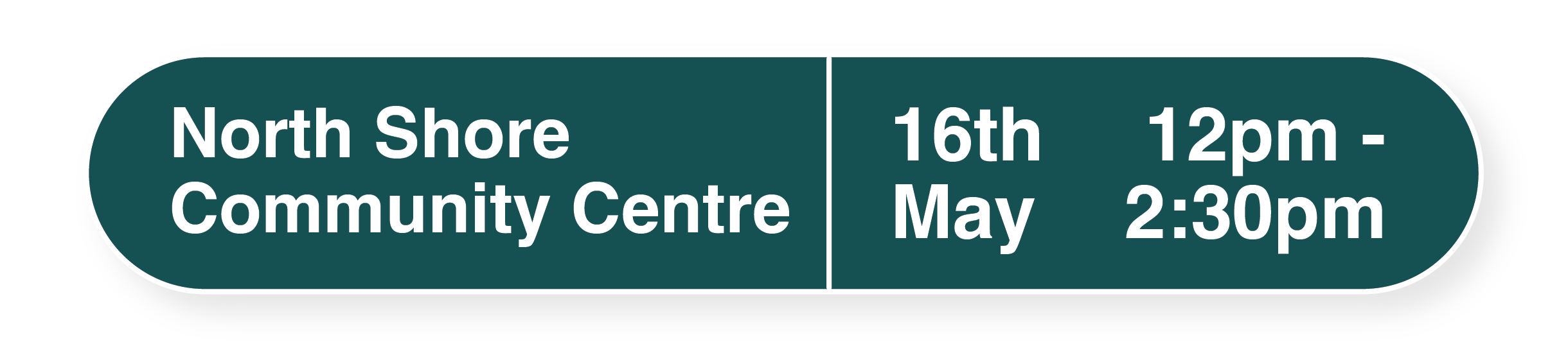
You Are Invited!
To Brain & Mind Hub’s inaugural Arts in Recovery Exhibition. A community event celebrating creativity, lived experience and the role art plays in supporting mental health and recovery. This exhibition showcases artwork created through the Arts therapy program at Brain & Mind Hub.
Through art, participants explore identity, experience and hope for the future.
If you would like to learn more about Brain and Mind Hub’s Art Therapy program, feel free to contact us or read more here.
Each piece tells a story that words often cannot.
Reserve your FREE ticket via the link below.
Decision-making in achieving wellbeing outcomes for veterans
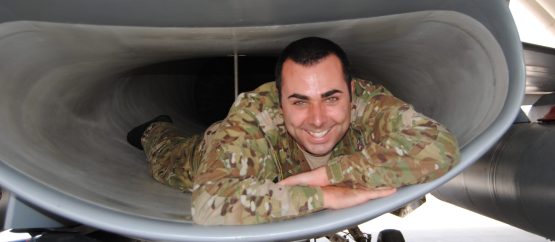
SQNLDR (Ret’d) Bernard Clarke
Manager of Quality, Compliance and Risk
Lived-Experience Peer Support Worker (Defence and Veterans)
On the 9th of February, the Hon Matt Keogh MP, Minister for Veterans’ Affairs and Minister for Defence Personnel announced that the Albanese Government is investing $739.2mil to improve the provision of the treatment and rehabilitation for veterans. This latest round of funding for veterans is intended to improve their daily functioning, prevent conditions from worsening, reduce long term impairment, support the mental health of veterans, and strengthen their long-term wellbeing and quality of life.
Although the finer details are being finalised, it got me thinking;
How will I decide what treatments or supports to pursue?
How is this different to the existing treatments and supports for which I am already eligible?
More simply, if this latest round of funding can be used towards rehabilitation and injury prevention,
do I go to pilates?
yoga?
Take up a gym membership?
If there is funding towards supporting my mental health, do I try something new like psilocybin or ketamine?
Should I give TMS a go? Or is it time to get a Service/Assistance dog?
With so many options at hand, how will I decide what is best for my own health and wellbeing?
Decision-making in the military
When I joined the RAAF in 2008, I made a conscious decision to pursue a life in the military. I signed on the dotted line, acknowledging that the Australian Government may send me to places that are not your typical holiday destinations. It was fraught with both excitement and uncertainty,
and I could only hope that wherever I ended up, the decision-makers had the right intel to ensure I was safe. There was a level of trust that I needed to have with the decision-maker and although I may not personally know the decision-maker, they were part of a broader hierarchy and system that I needed to have trust in.
As I racked up the years in the military, I became a decision-maker in the military hierarchy and system. This turned from deciding what to eat each day (shout-out to the Omelet Guy at Kandahar Airfield, 2014) to decisions that may have an impact on the health and welfare of the airmen & airwomen under my command.
I was part of the decision-making hierarchy and like my fellow decision-makers, would be developing a plan using the most reliable intel at hand. I needed to trust the process but more importantly, entrust the airmen & airwomen under my command and provide them a sense of reassurance that I got the right intel.
Decision-making and departing the military
In late 2017, I was diagnosed with PTSD, attributed to my military service. The psychiatrist advised that it would bring an end to my military career and that I should start planning for life after military service. I went through the Medical Employment Classification (MEC) review boards, entered an ADF Rehab Program and needed to do some upskilling in preparation for civilian life. The decision to leave the military was taken away from me and I was then asked, What would you like to do, post-military? I was lost! I was still getting my head around a life-changing medical condition that would have an impact on me and my young family. I still had a job in the military, people to supervise, annual leave to approve and a health centre to run. I was still supporting ADF members on how to navigate the ADF transition process while working it out myself. On top of that, I had to do extra work to meet my ADF rehab goals and was going all over the countryside to see the medical professionals as none of them were in the one location.
Although I had an extended ADF transition until early-2020, it went by in a flash, and I was a civilian once again. One of the easiest decisions to make during my ADF transition was where to live post-military life. For me, the Sunshine Coast was ideal in that I could be close to the beach and far away from an ADF base that would be a harsh reminder of my exit from service life.
It took me a few years to come out of my shell and feel comfortable talking about my military service or being surrounded by other veterans.
I am now fortunate that my line of work enables me to stay connected to the veteran community in a job that I enjoy and that also suits my family commitments. Each day I make decisions about my own health and wellbeing. I keep a close eye on the veteran health space as I am conscious that I am susceptible to ongoing health issues post-military life.
Just last week, the Australian Institute of Health and Welfare released the latest Health of Veterans Report, highlighting that Suicide is still a leading cause of death among veterans. Also concerning are the implications for chronic disease. The report highlighted that ex-serving members who separated involuntarily for medical reasons and those who were DVA clients had higher age-standardised prevalence of chronic conditions than those who separated voluntarily and non-DVA clients. It comes as no surprise then that in order to live a long and happy life with my family, I need to engage with clinical and community programs to minimise my risk of chronic health conditions. This isn’t just about my mental health, but my overall health and wellbeing.
Unpacking the latest funding to support veteran health
I am now at a point that I am no longer engaged with a rehab provider. I have made some good decisions to minimise my risk of chronic health conditions like going to the gym regularly, eating healthy and engaging with a Lifestyle Medicine physician.
I know that these decisions will support my long-term health outcomes so that I can lead a healthy happy life with my family. I know that not every veteran is in the same boat and when a funding announcement like the one last week is made, it can be exciting and overwhelming.
There is now going to be more to choose from, only for there to be sense that maybe I should try something else rather than another exercise program.
To put it in a military context, there is a scene towards the end of The Hurt Locker where SFC William James (Jeremy Renner) is looking for a box of cereal in the cereal aisle at a supermarket after he has returned home from a deployment to Iraq.
He stood there confused and overwhelmed with the number of choices available to him. For SFC James, the decision on which cereal box to choose was overwhelming.
Maybe he wanted to have someone make the decision for him. Maybe he wanted some advice on which cereal would be the best one for his own health. Maybe he wanted some insight into the pros and cons of selecting certain cereals over others.

This leads me to what we are working on at Thompson Brain and Mind Healthcare. What if there was a way that a rehab-focused package could be developed based on the latest research in Mental Health and Neuroscience?
I mean, what if someone could get an EEG (a bit like an ECG but of the brain), a blood test, mouth swab and a few questionnaires and determine which programs would be ideal for the individual?
To put it in military talk, what if the guessing work was taken out of rehab goals and someone gathered some intel on a veteran to determine which interventions, supports and rehab programs could be more successful in achieving their mission of living a healthy and happy life?
It may seem a bit science-fiction, but that is exactly what we are working towards as part of our Veterans Program. The idea is that we gain intel about the person and match it to the broader health/medical hierarchy to determine what treatments and supports would work best for that individual/veteran.
The treatment algorithm for each veteran will be based on research (intel) from the Mental Health and Neuroscience area that we have built trust in over many years of research and providing clinical care.
What is even more exciting is that as our team continues to grow, more services and programs are being provided in the one location so that the individual/veteran is not going all over the Sunshine Coast (or countryside) for their medical appointments. As we receive the finer details about the latest funding announcement, our program is also being finalised so that we can launch it imminently.
And you may ask What about Psychedelic Assisted Psychotherapy (PAP)? I hear that this latest funding announcement includes funding towards treatments using Psilocybin and MDMA, will you (Thompson Brain and Mind Healthcare) provide that? The answer is, Yes. As one of a few Clinical Trials sites in Australia for Psilocybin, we have a team of clinicians and researchers that are authorised to work in this space. Our treatment protocol is being reviewed by a Human Research and Ethics Committee so that we can meet the program guidelines set by the Department of Veteran Affairs. We are also engaging with government bodies and regulators so that our PAP Program is safe and meets the regulatory obligations. We do this so that we, as an organisation, can contribute to the knowledge base (intel) in PAP for veterans while building trust in the veteran health system. With our final preparations underway, we are aiming to start our Veteran PAP Program in mid-2026. If we get the green light beforehand, a SITREP (military talk for Situation Report) will be sent.
Sleep is often thought of as a time when the brain and body switch off.
But sleep is not passive.
Neuroscience shows sleep isn’t downtime — it’s when your brain gets to work.

During sleep we cycle through different sleep stages with fluctuating brain activity. Good quality sleep is important to strengthen memory, consolidate learning, and regulate emotions. This helps our overall wellbeing.
Did you know, when we sleep our incredible brain activates its own waste clearance system? This is called the Glymphatic System. This helps flush out metabolic byproducts on a nightly clean.
If the brain was likened to the coastal rock pools.
High tide = restorative sleep. This is when the water is cleaned, debris flushed out, water refreshed and the ecosystem balanced. We can deal better with emotions and stress, and have increased resilience to life’s challenges.
Poor sleep = stagnant water. This is reflected by stress accumulation, memory difficulties, difficulties with focus, brain fog, irritability, and can affect how we relate to others.
Neuroimaging like functional MRI brain scans show that sleep changes biology. Poor or disrupted sleep affects the prefrontal cortex which affects emotional control and cognition (our ability to think, reason, learn and interact with the world around us).
Our body’s response to stress is affected by sleep by way of the hypothalamic-pituitary-adrenal axis, with poor sleep resulting in increased cortisol levels, inflammation, and increased anxiety and depression symptoms.
Sleep and mental health are closely intertwined. They are termed bidirectional meaning they can affect each other from each way. Mental health disorders like depression, anxiety and PTSD can affect sleep. Sleep disorders can also increase the risk of developing mental health issues. Supporting sleep is thus a highly valuable part of mental health treatment.
Improving sleep quality is less about trying to control your nights and more about supporting and nurturing your body and brain during the day. Incorporating science-based lifestyle adjustments and cognitive behavioural therapy for insomnia can help. Researchers are also exploring auditory sleep modulation techniques that may further enhance sleep quality.
In Lifestyle medicine restorative sleep is an important pillar. It is not viewed in isolation but as an important component of the whole person; impacted by many factors such as the environment, nutrition, alcohol, light exposure, routines, movement and emotional wellbeing.
With you at the centre, a cohesive team approach can tailor support to optimise and protect your sleep. Achieving better sleep isn’t about forcing the tide at night. It is about shaping calmer rock pools during the day.
Dr. Phoebe Slape
BSc (Biomed). MBBS. FAFRM. FASLM.
Clinical Lead
Lifestyle Medicine Physician
WORKING DAYS
Monday, Tuesday and Thursdays
STATUS
Accepting appointments
PhD Candidate –DCS Augmented Neurofeedback in Adult ADHD
Thompson Brain & Mind Healthcare (TBMH), in collaboration with the Australian National University (ANU) is leading a randomised control trial investigating whether D-cycloserine (DCS), a partial NMDA receptor agonist, can augment learning-dependent neuroplasticity during 19-channel Z-score neurofeedback (NF) in adults with Attention-Deficit/Hyperactivity Disorder (ADHD).
The study uses a double-blind randomised controlled trial comparing Z-score NF combined with DCS versus NF with placebo, alongside an observational stimulant-medication comparison group. Outcomes include ADHD symptom severity, quantitative EEG biomarkers, neurofeedback learning curves, and neurocognitive performance.
The PhD candidate will work within a multidisciplinary clinical research team and will focus on the neurophysiological and cognitive mechanisms underpinning treatment response.
Research Aims of the PHD
The overarching aim of the PhD is to determine whether pharmacological facilitation of NMDA-dependent plasticity enhances neurofeedback learning and clinical outcomes in adult ADHD.

Key Responsibilities
Under supervision, the PhD candidate will:
- Contribute to the design, conduct, and integrity of a clinical RCT
- Acquire high-quality resting state EEG recordings.
- Artifact and perform quality control on resting state EEG recordings.
- Conduct NF training sessions, document relevant training data and maintain accurate training records.
- Lead analysis of quantitative EEG data, including:
- Z-score metrics
- Theta/beta ratio
- Session-by-session learning curves
- Analyse neurocognitive and clinical outcome data
- Integrate electrophysiological, cognitive, and symptom measures using advanced statistical models
- Assist with trial documentation, reporting, and ethics compliance (training-appropriate)
- Prepare peer-reviewed publications, conference presentations, and a doctoral thesis
- Engage in interdisciplinary collaboration with clinicians, neurofeedback practitioners, and statisticians
Candidate Requirements
Essential:
- Honours or Master’s degree (or equivalent) in:
- Neuroscience
- Psychology
- Biomedical or Health Sciences
- Cognitive Science or related discipline
- Demonstrated research experience (thesis-based)
- Strong interest in neuroplasticity, ADHD, and translational neuroscience
- Capacity to work with complex datasets
Desirable
- Experience with EEG and neurophysiology
- Familiarity with clinical research or RCTs
- Statistical programming skills (R, Python, MATLAB)
- Interest in precision psychiatry or personalised interventions
Local And Enrolement
- Enrolment at the Australian National University (PhD, full-time)
- Primary research activities conducted within the Thompson Bran and Mind Healthcare site
- Some travel between sites may be required
Scholarship and Support
- Competitive, tax-free PhD stipend aligned with RTP or equivalent ANU scholarships
- Tuition fee offset (where applicable)
- Access to EEG laboratories, clinical datasets, and professional development opportunities
Application Process
Applicants should submit:
- CV
- Academic transcripts
- Brief statement of research interest
- Contact details for two academic referees
- Please send your submission to nwellington@tbmh.org.au
Not the right position for you? Feel free to share the link to someone you might know.
Thompson Brain & Mind Healthcare (TBMH), in collaboration with the ANU College of Science & Medicine, is pleased to announce a fully funded PhD scholarship opportunity in adolescent mental health.
Applicants should have a background in mental health, psychology, education/teaching, or medicine, and hold a Bachelors degree with First Class Honours (or equivalent).
Lifestyle Medicine and Mental Health:
Supporting the Brain Through Everyday Choices
When we think about mental health, we often focus on thoughts, emotions, or life experiences. But mental wellbeing is also deeply biological. Your brain is shaped every day by sleep, nutrition, movement, stress, social connection, and routines. This is where lifestyle medicine comes in.

Lifestyle medicine is a medical approach that looks at how daily habits influence both physical and mental health. Rather than treating symptoms in isolation, it focuses on addressing underlying contributors to distress and supporting the body and brain’s natural capacity to heal and adapt.
Importantly, lifestyle medicine isn’t about perfection or rigid routines. It’s about small, sustainable changes that help regulate the nervous system, improve brain function, and build resilience over time.
Prevention starts long before symptoms appear
From a neuroscience perspective, the brain is constantly responding to its environment. Chronic stress, poor sleep, inflammation, nutrient deficiencies, and inactivity can all place ongoing strain on neural systems involved in mood, motivation, attention, and emotional regulation.
Lifestyle medicine aims to reduce these pressures before they accumulate into more significant difficulties.
Regular movement supports blood flow to the brain and helps regulate stress hormones. Quality sleep allows the brain to consolidate memories, reset emotional circuits, and clear metabolic waste. Nutrition provides the raw materials needed for neurotransmitter production and cellular repair. Social connection buffers stress responses and supports emotional wellbeing.
Taken together, these factors play a powerful role in prevention. They help stabilise the systems that keep us mentally balanced, often long before someone would meet criteria for a diagnosable condition.
Supporting symptoms, not just managing them
Lifestyle medicine is also increasingly recognised as a meaningful support for people already experiencing mental health challenges such as anxiety, depression, burnout, or chronic stress.
Research shows that targeted lifestyle interventions can help improve:
- energy levels and fatigue
- sleep quality
- concentration and cognitive clarity
- mood regulation
- stress tolerance
- overall quality of life
This doesn’t mean lifestyle medicine replaces psychological or medical care when those are needed. Rather, it works alongside them.
For many people, addressing factors like nutrition, sleep, and stress physiology can reduce symptom severity and improve responsiveness to other treatments. It helps create a more stable foundation for recovery.
Instead of asking only “What’s wrong?”, lifestyle medicine also asks, “What does your body and brain need to function at their best?”
A whole-person approach to mental health
Mental health is rarely influenced by a single factor. It sits at the intersection of biology, psychology, environment, and lived experience.
That’s why integrated care matters.
At Brain & Mind Hub Sunshine Coast, lifestyle medicine is part of a collaborative model that brings together our dietitian clinic, Lifestyle medicine physician and psychologist team. Rather than working in silos, these clinicians support clients as a team.
This means care can address:
- nutritional foundations for brain health
- lifestyle factors such as sleep, stress, and movement
- psychological patterns and emotional wellbeing
- all within one coordinated framework.
- The goal isn’t quick fixes. It’s personalised, sustainable support that recognises how interconnected mental health really is.
Small changes, meaningful impact
Lifestyle medicine reminds us that mental health doesn’t live only in the mind. It lives in the body, the nervous system, and the rhythms of everyday life.
Whether used as prevention or as part of ongoing care, this approach offers a way to support the brain through practical, evidence-informed changes that meet people where they are.
And sometimes, the most powerful progress doesn’t come from doing everything at once — but from taking one small, supported step at a time.
Written by Dr Megan Dutton
As a clinician and researcher in the field of neuroscience and mental health, I’ve seen how a precise, multidisciplinary approach to ADHD can transform lives. At Brain and Mind Hub, we’ve developed a neuroscience-informed model that integrates clinical accuracy with holistic care—ensuring individuals with ADHD receive not only a correct diagnosis but also the tools to thrive.

PhD Opportunity – Adolescent Mental Health | Fully Funded Scholarship
Thompson Brain & Mind Healthcare (TBMH), in collaboration with the ANU College of Science & Medicine, is pleased to announce a fully funded PhD scholarship opportunity in adolescent mental health.
This PhD project sits at the forefront of adolescent mental health research and will integrate the latest scientific evidence to design and develop a suite of school-based mental health and wellbeing programs for adolescents and school-aged young people. The research will be highly translational, with a strong emphasis on real-world impact within educational settings.
Candidate background
Applicants should have a background in mental health, psychology, education/teaching, or medicine, and hold a Bachelors degree with First Class Honours (or equivalent).
Scholarship details
• Fully funded PhD
• Full-time position
Expressions of Interest
Please send an expression of interest addressed to Professor Jim Lagopoulos at: admin@tbmh.org.au
We welcome enquiries from motivated candidates passionate about improving mental health outcomes for young people.
Not the right position for you? Feel free to share the link to someone you might know.